
ThESI Lab
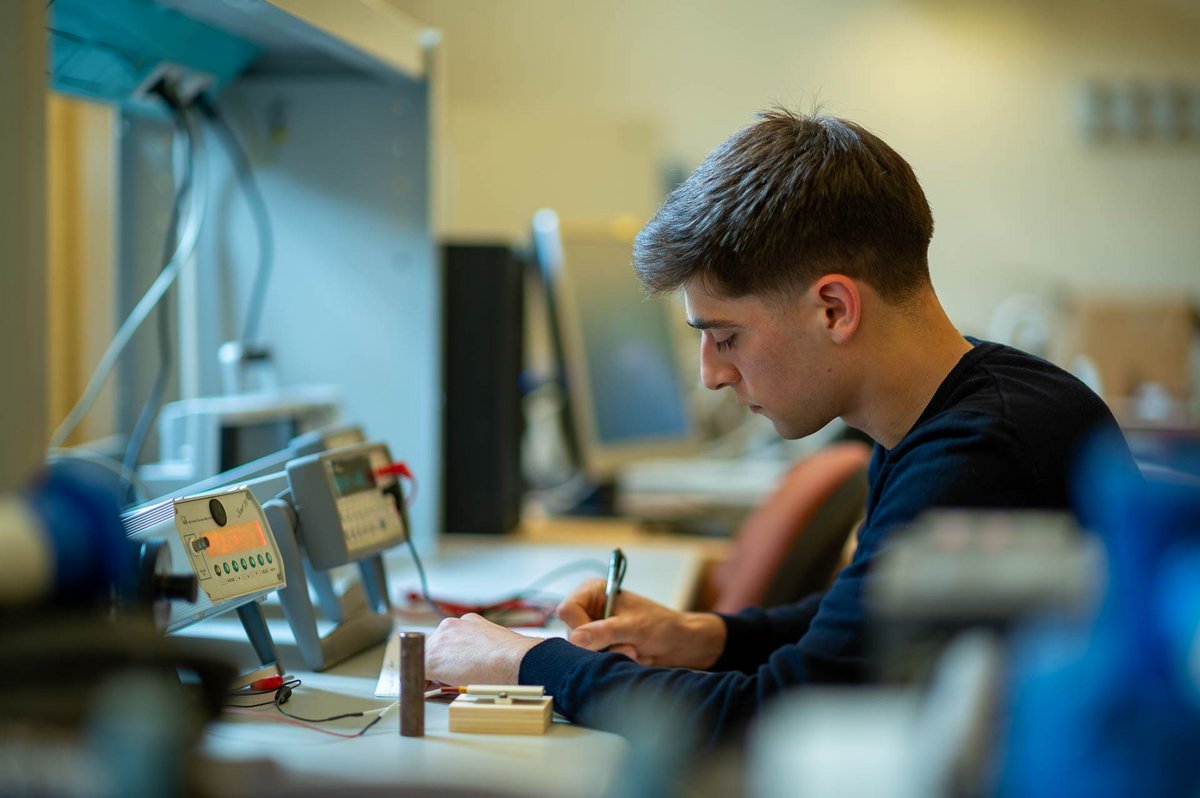
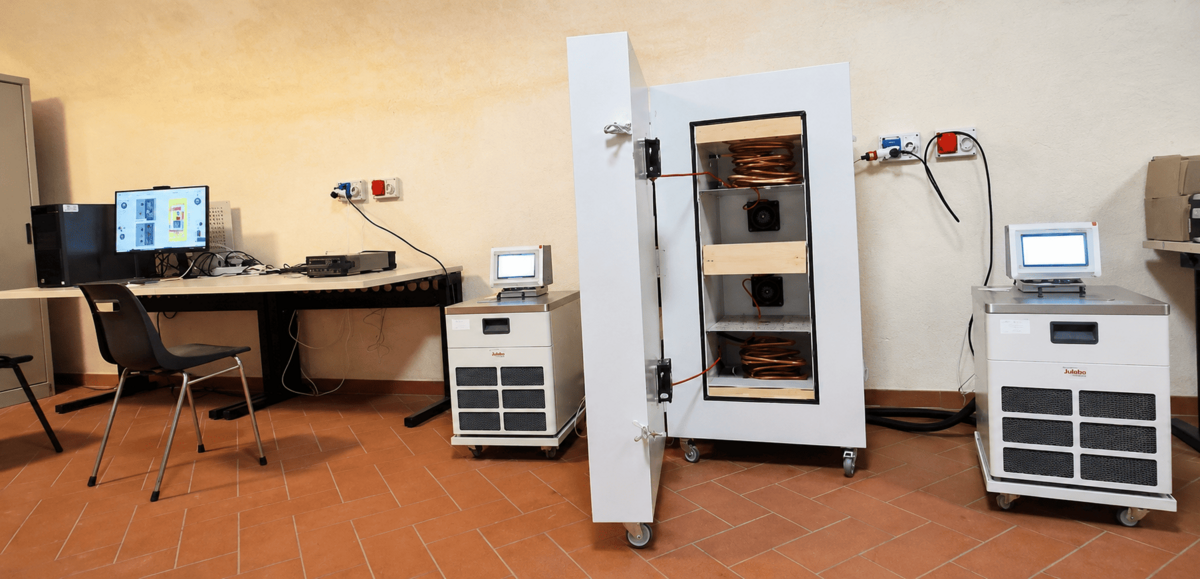
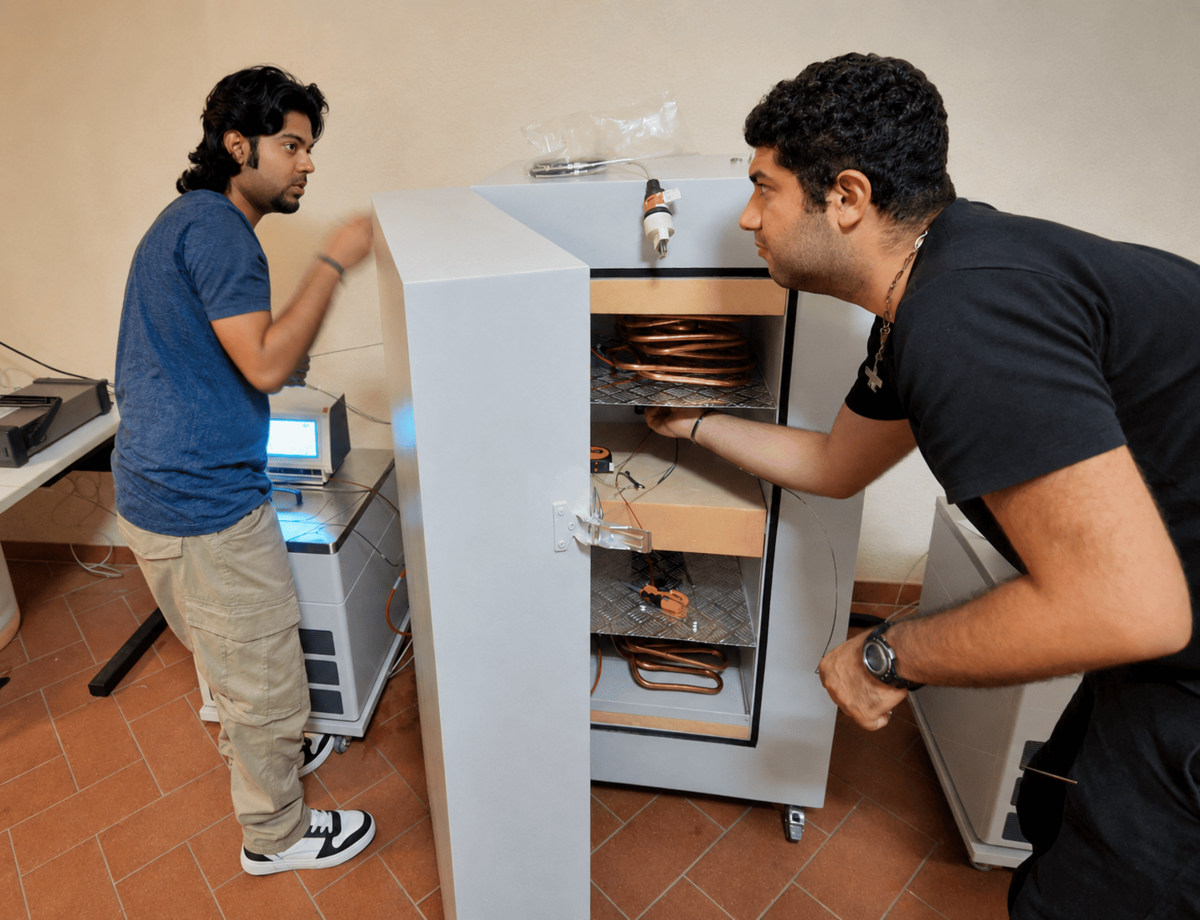
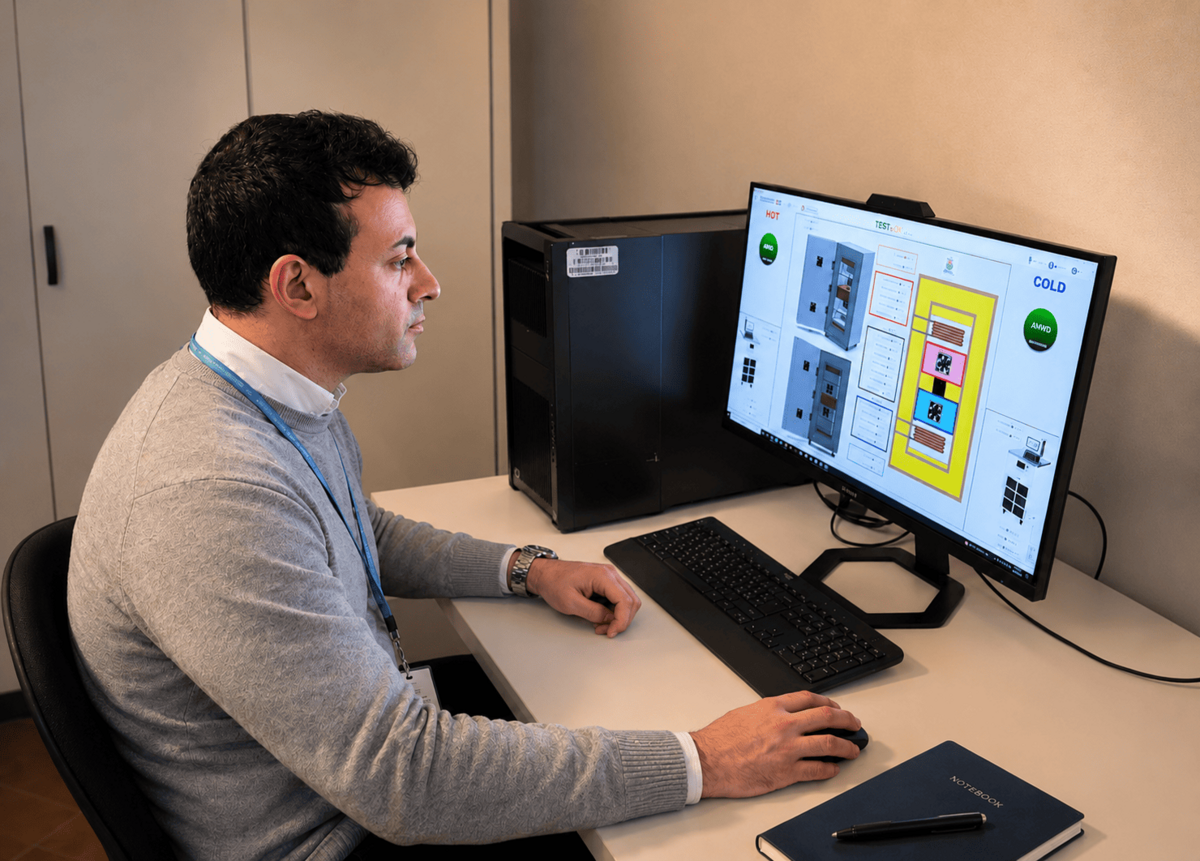
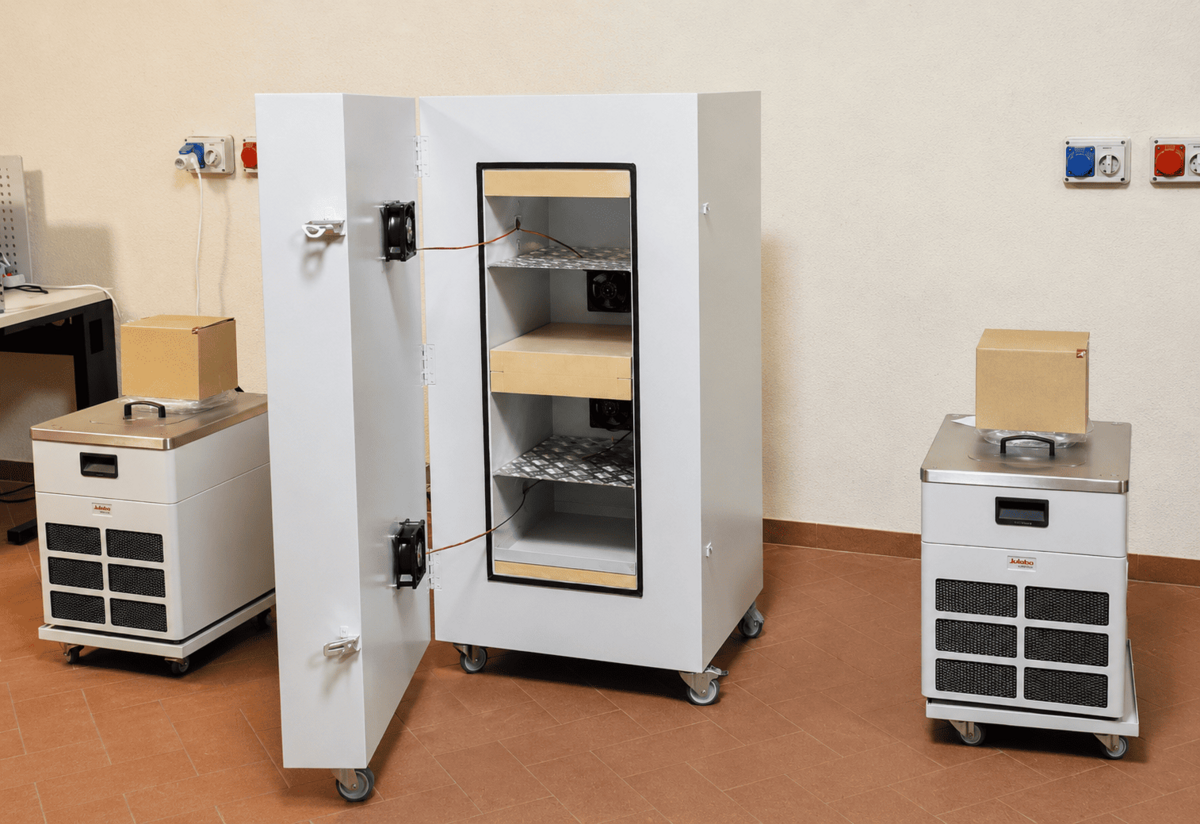
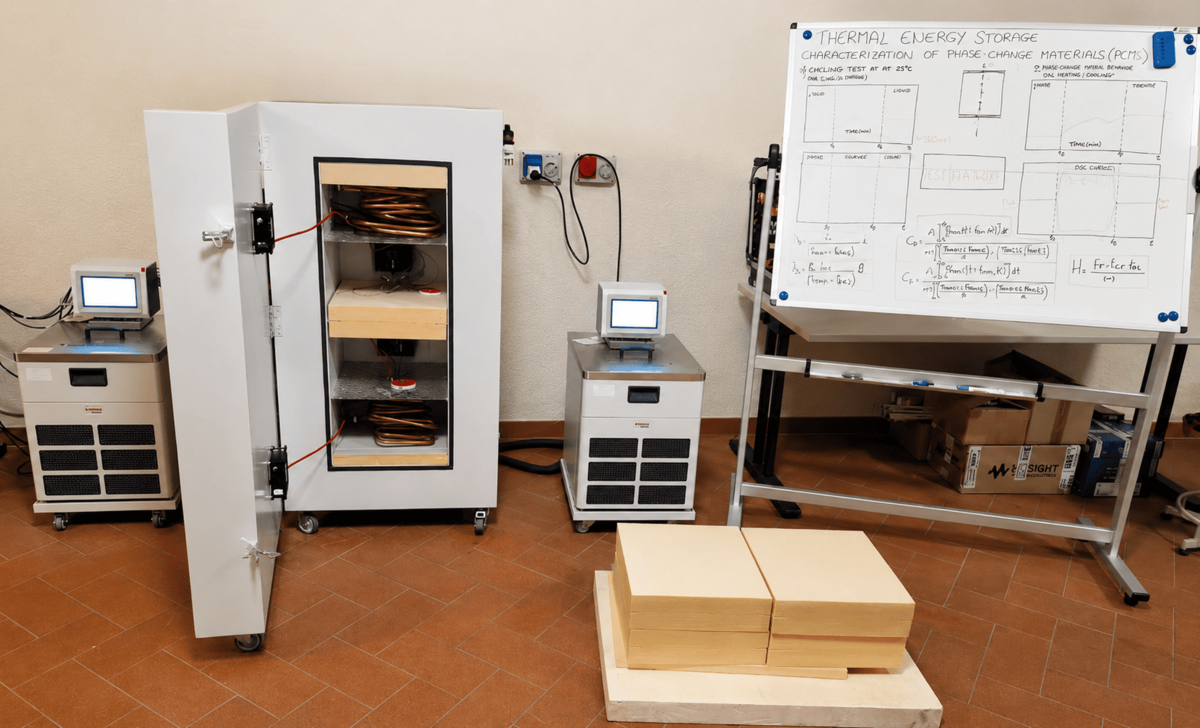
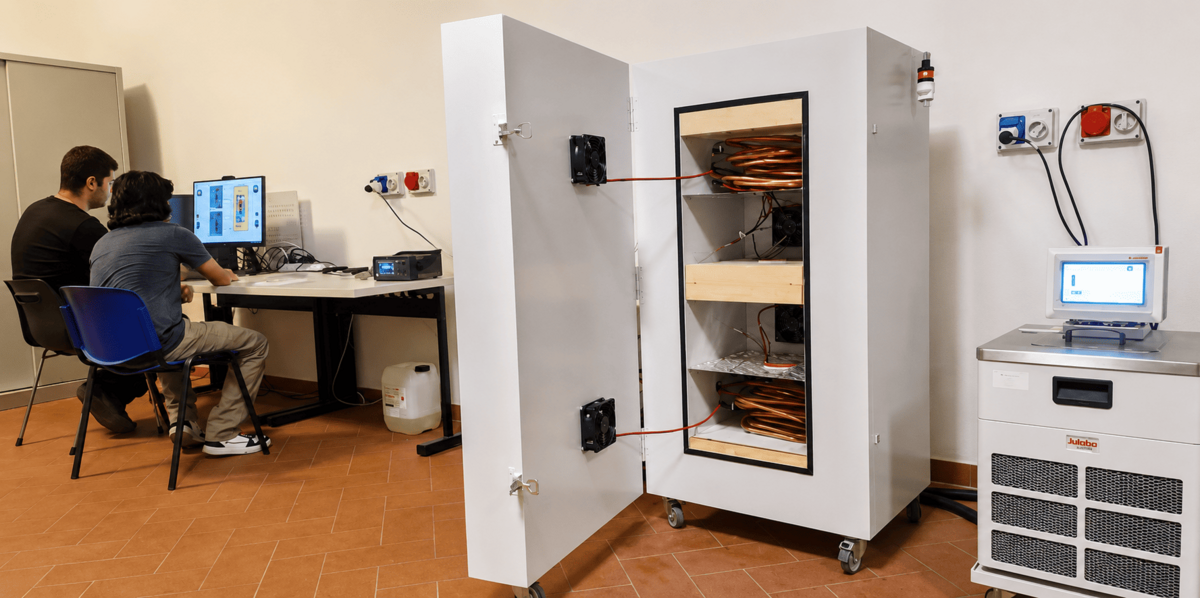
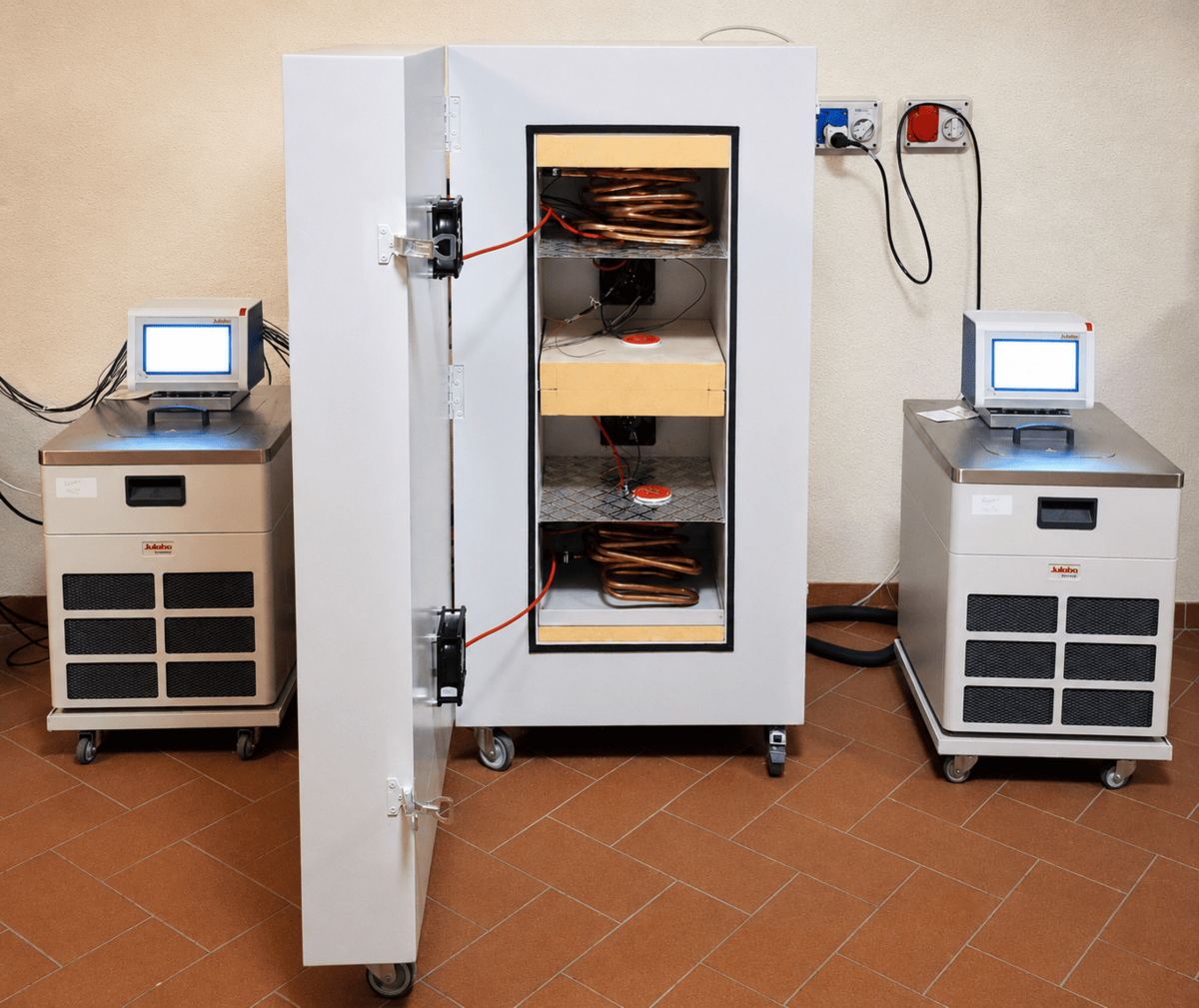
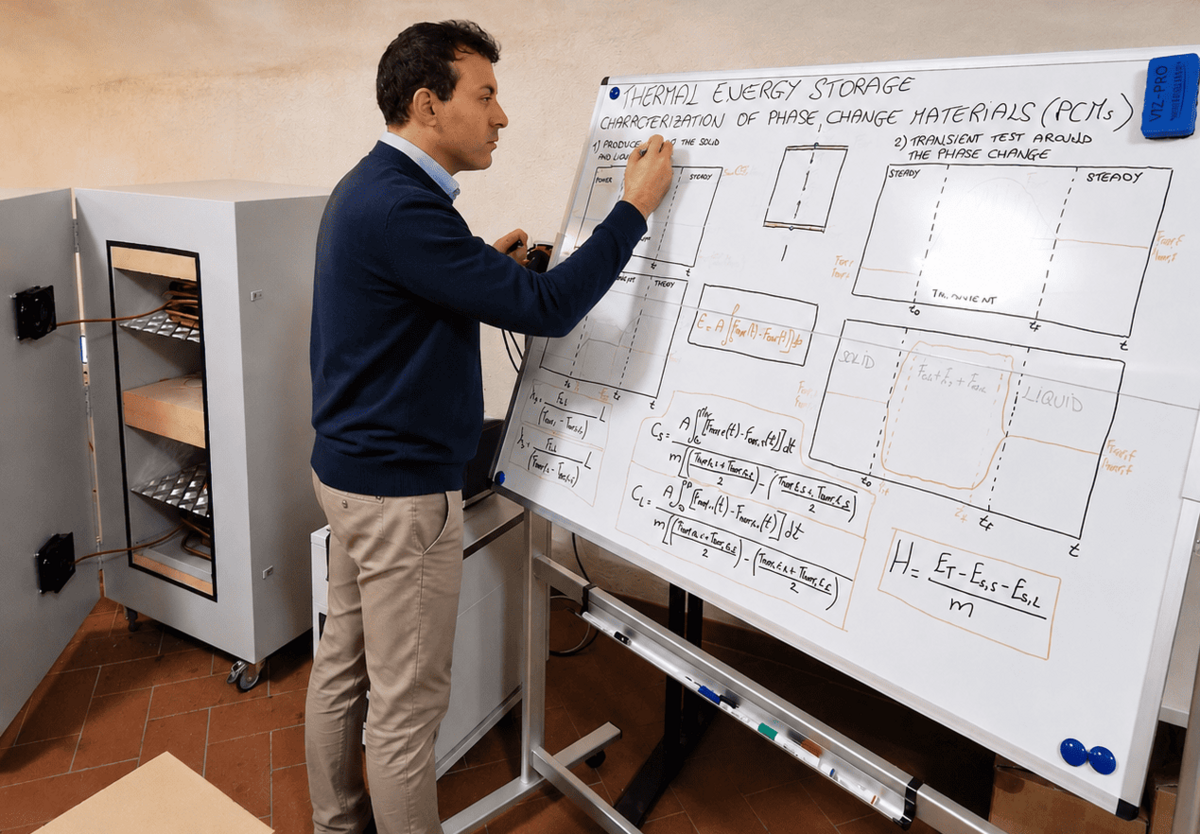
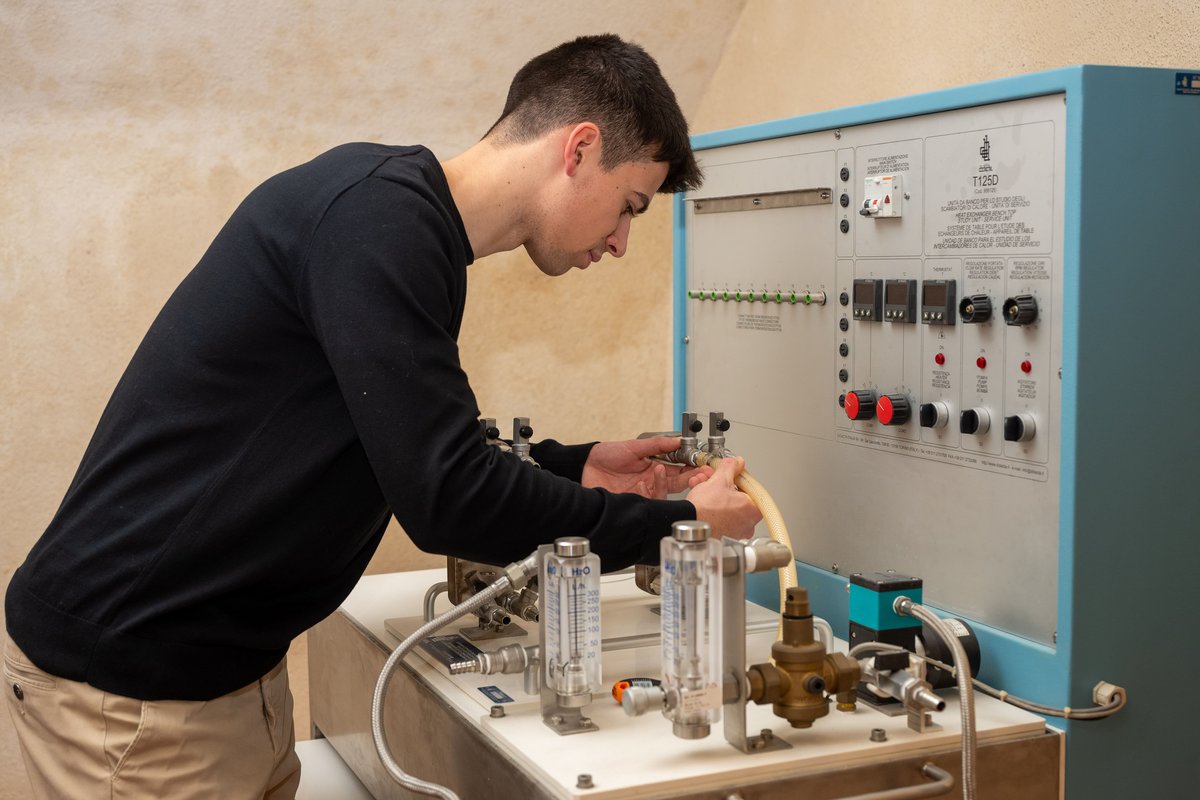
ThESI Lab – Thermal Energy Storage Innovation Laboratory is a research and experimental teaching facility at the Piacenza Campus dedicated to thermal energy storage, heat transfer, and the characterisation of materials and prototypes for energy efficiency.
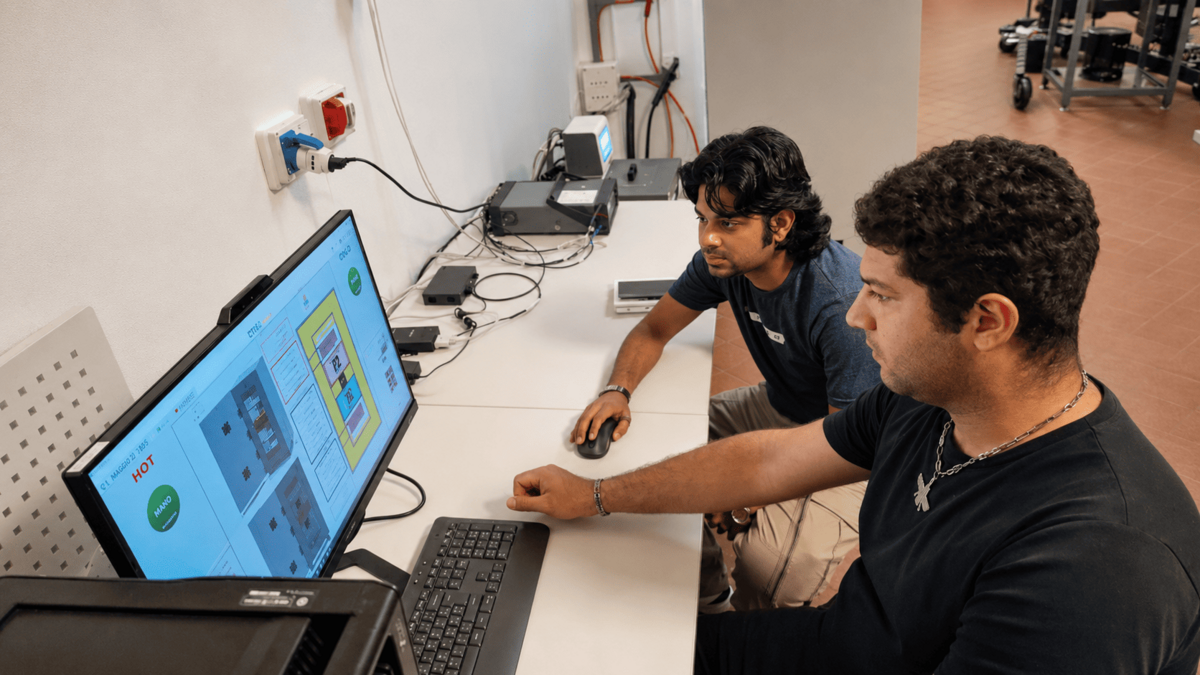
The laboratory enables students to engage directly with applied research, complementing theoretical knowledge with measurement activities, experimental analysis, and the validation of real systems. The activities focus in particular on heat transfer, the measurement of thermal quantities, the analysis of experimental accuracy, the study of phase change materials, and the design of solutions for temperature control.
Students can use the laboratory for theses, project work, and experimental activities dedicated to the study of thermal energy storage and temperature control in different application fields, including energy efficiency, sustainable buildings, renewable systems, cold storage, photovoltaics, batteries, electronics, and temperature-controlled logistics.
ThESI Lab is mainly intended for students enrolled in engineering programmes at the Piacenza Campus, with links to the programmes Mechanical Engineering, Industrial Engineering, Energy Engineering and Mechanical Engineering (Mechatronics for Manufacturing). Applications related to buildings, comfort, and sustainability may also support interdisciplinary activities with the architecture programmes in Landscape Architecture – Land Landscape Heritage (LLH) e Sustainable Architecture and Landscape Design.
Contacts: thesilab-piacenza@polimi.it

Mechanical Engineering Teaching Laboratory
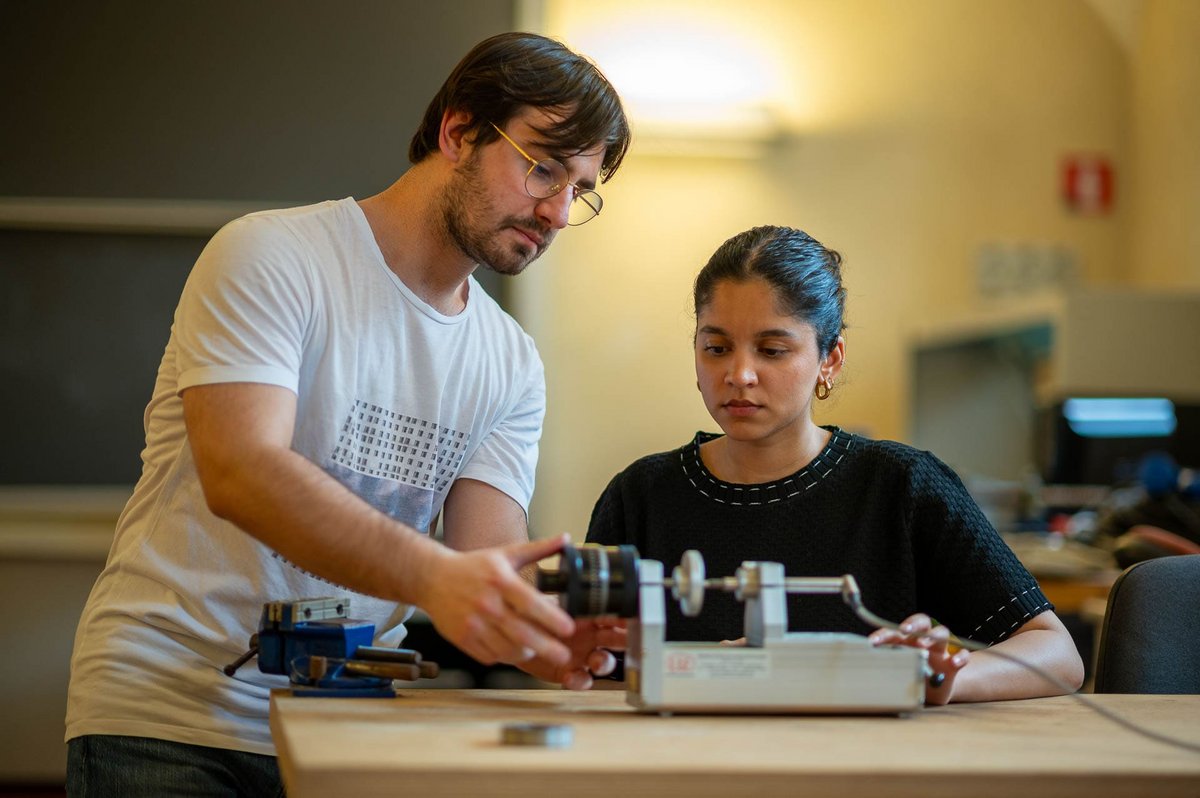
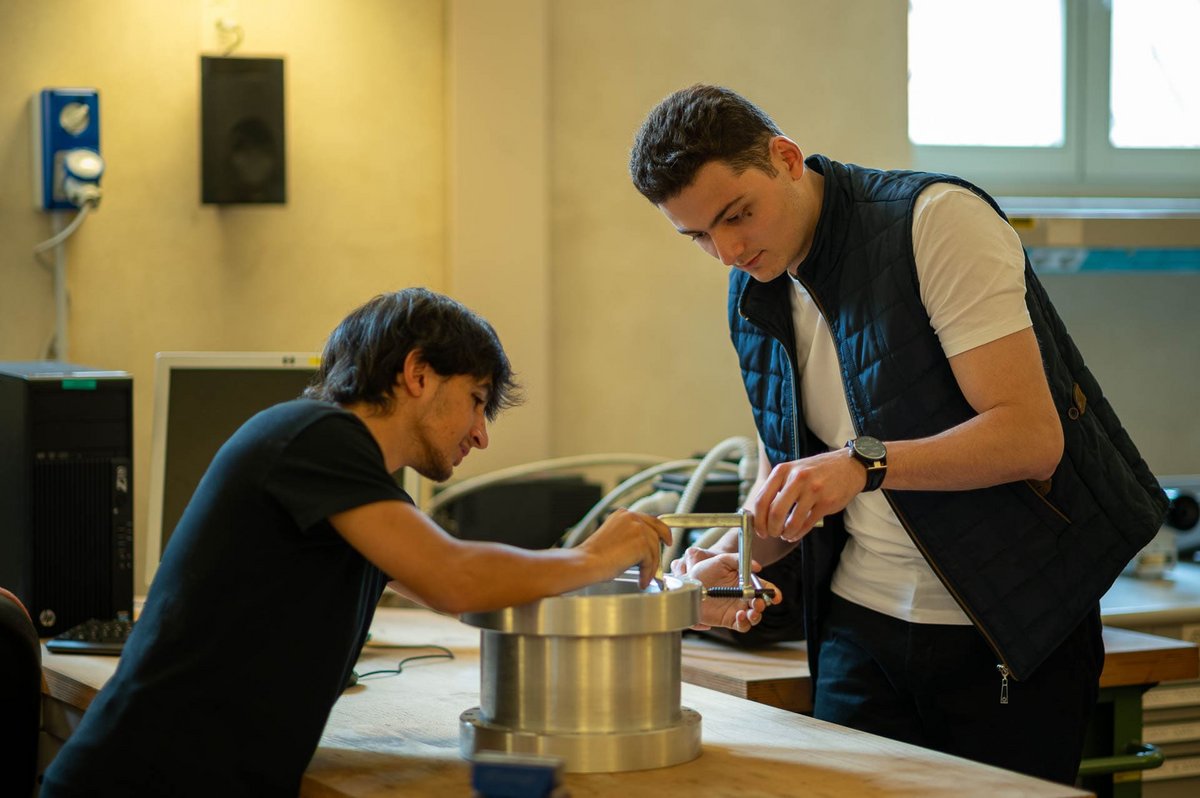
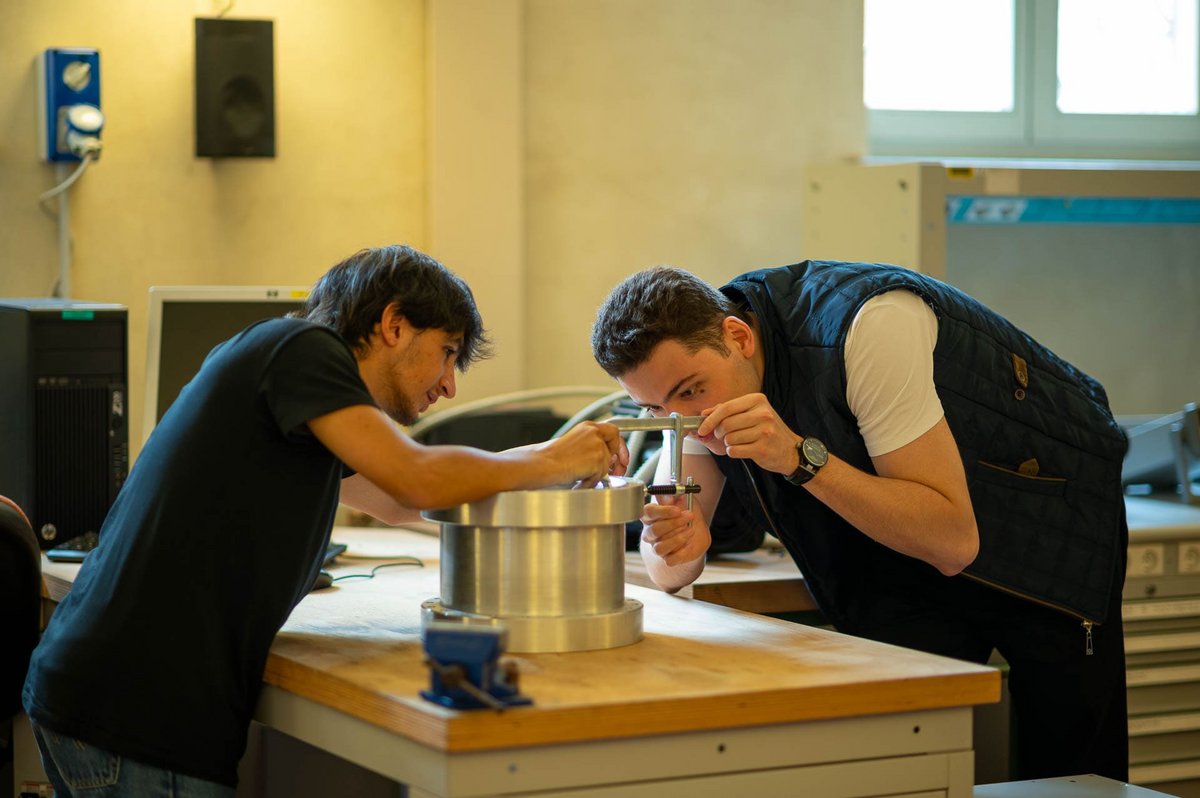
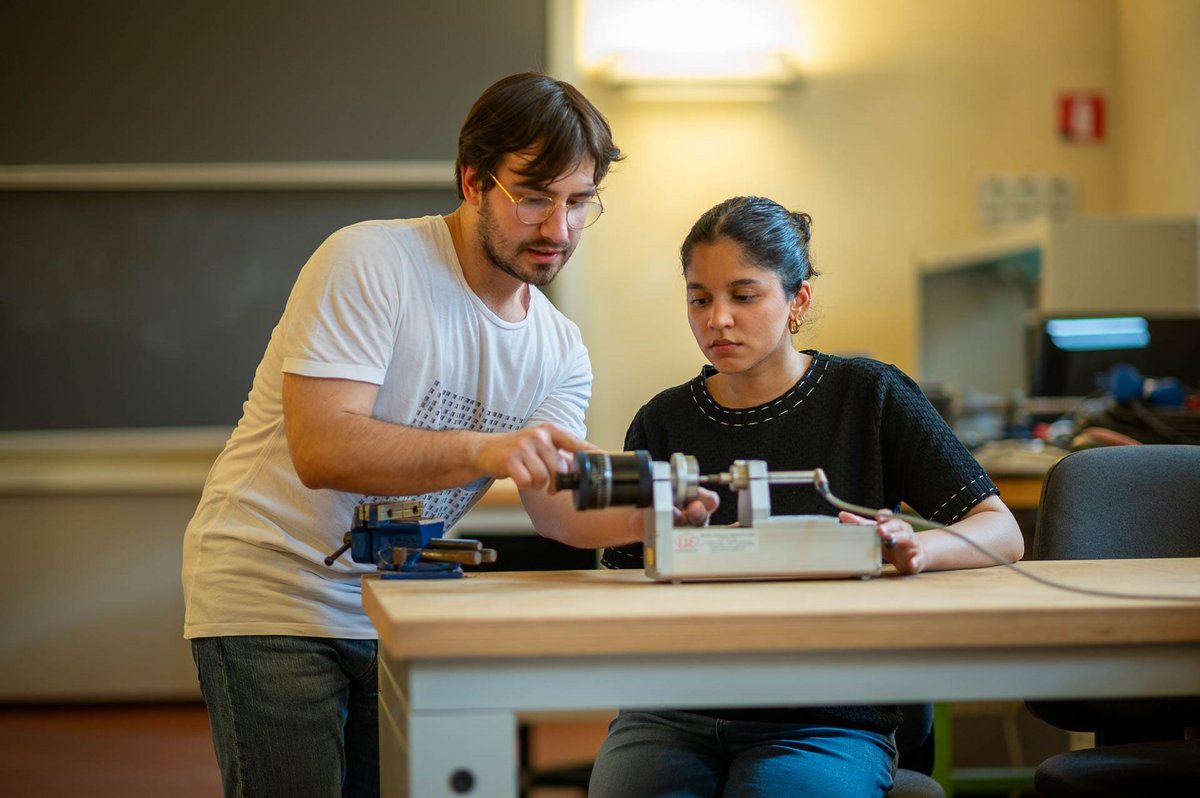
The Mechanical Engineering teaching laboratory is a facility dedicated to experimental and applied activities in the field of mechanical engineering. It is designed to complement theoretical education with practical experience on systems, components, and measurement instruments.
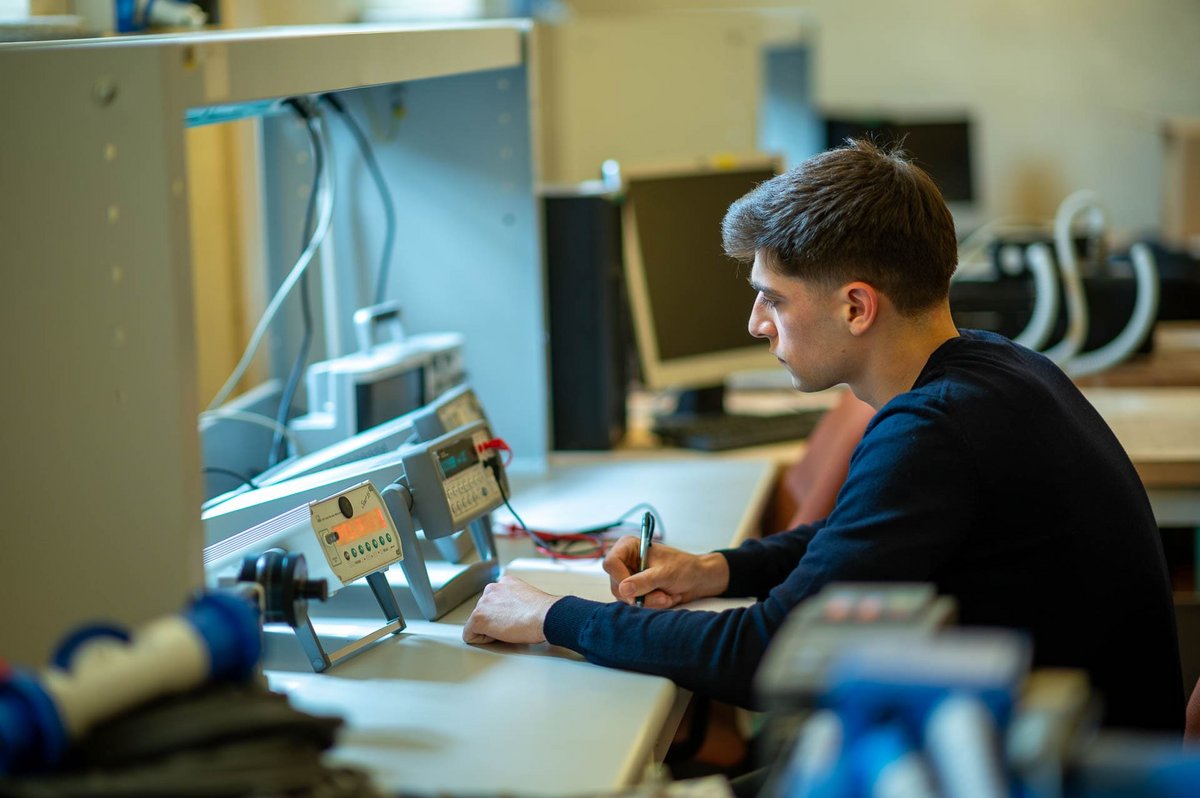
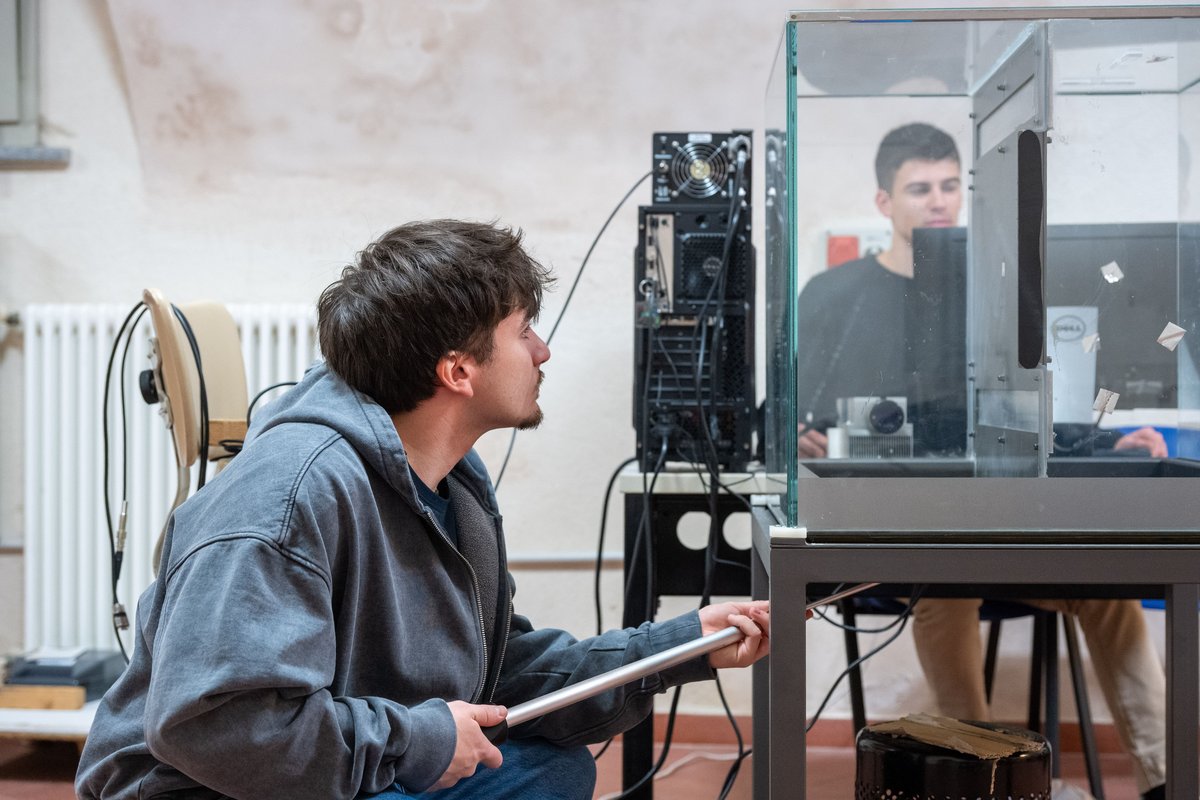
The laboratory supports activities on the main measurement techniques, including dimensional measurements, static and dynamic calibration of measurement systems, and strain-gauge testing for the assessment of deformations. The available equipment includes transducers, signal-conditioning systems, data-acquisition systems, and laboratory power supplies.
The laboratory is also equipped for the experimental study of the functional and dynamic behaviour of mechanical systems. The available equipment includes motor–transmission–load units with inverter-controlled motors, two-degree-of-freedom oscillating systems, simplified models of machine axes, and transmission systems and equipment for vibration analysis.
The laboratory provides a qualified learning environment for the development of experimental skills, the analysis of mechanical phenomena, and the understanding of the interaction between mechanical systems and measurement systems.